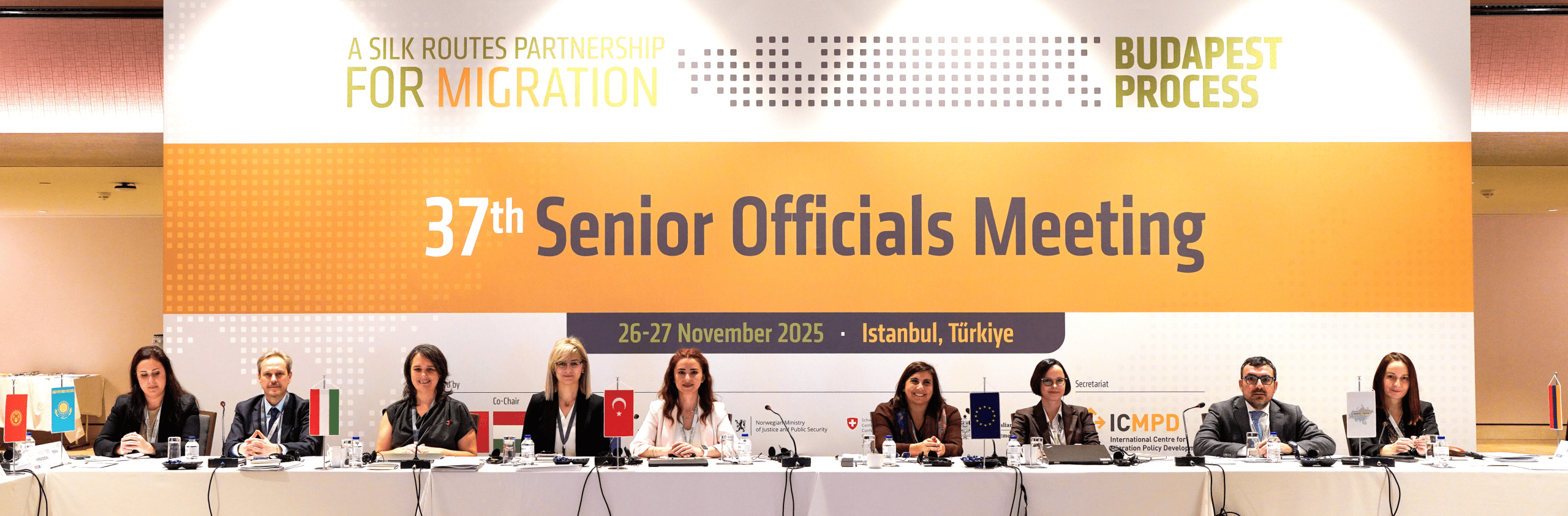
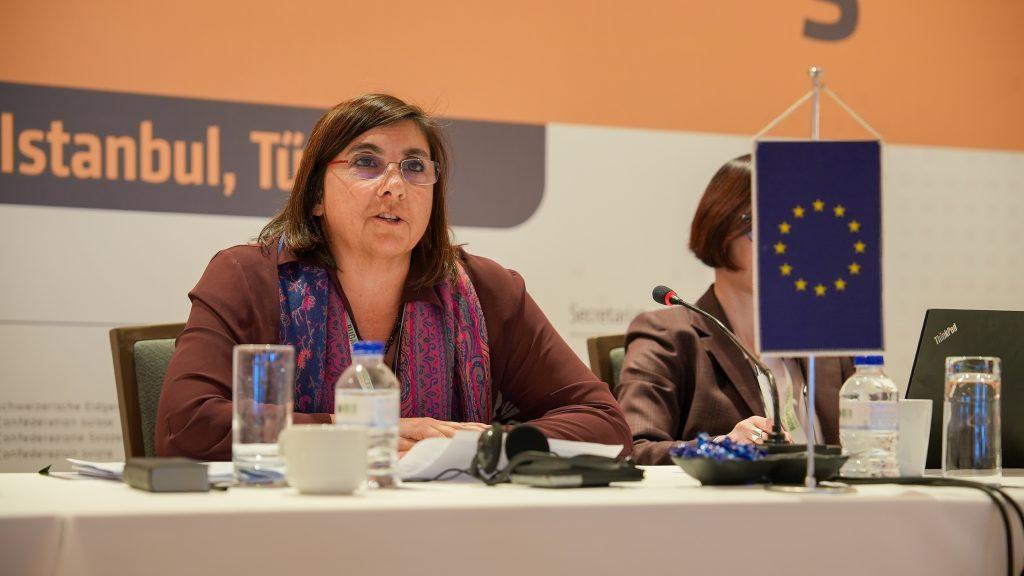
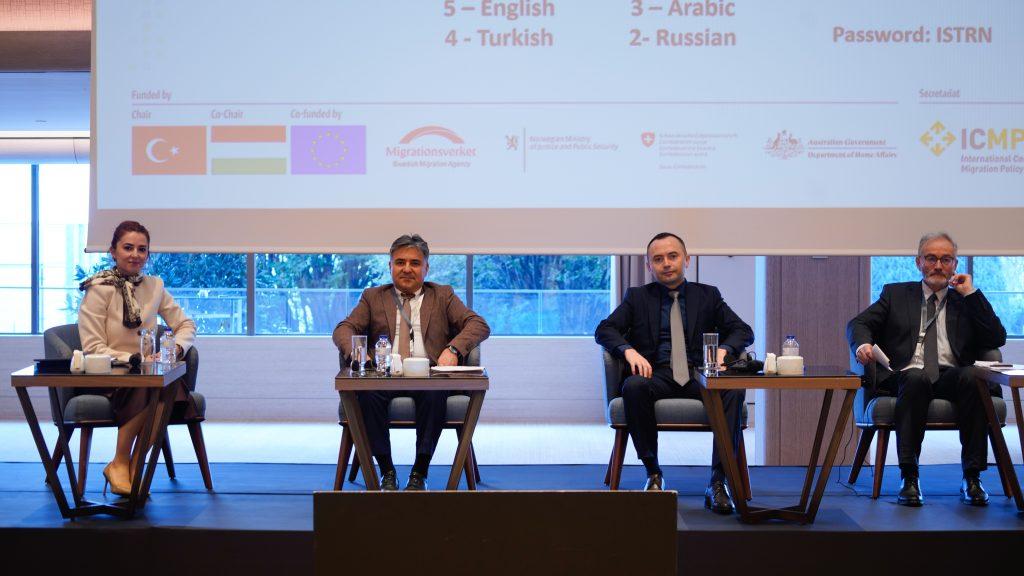
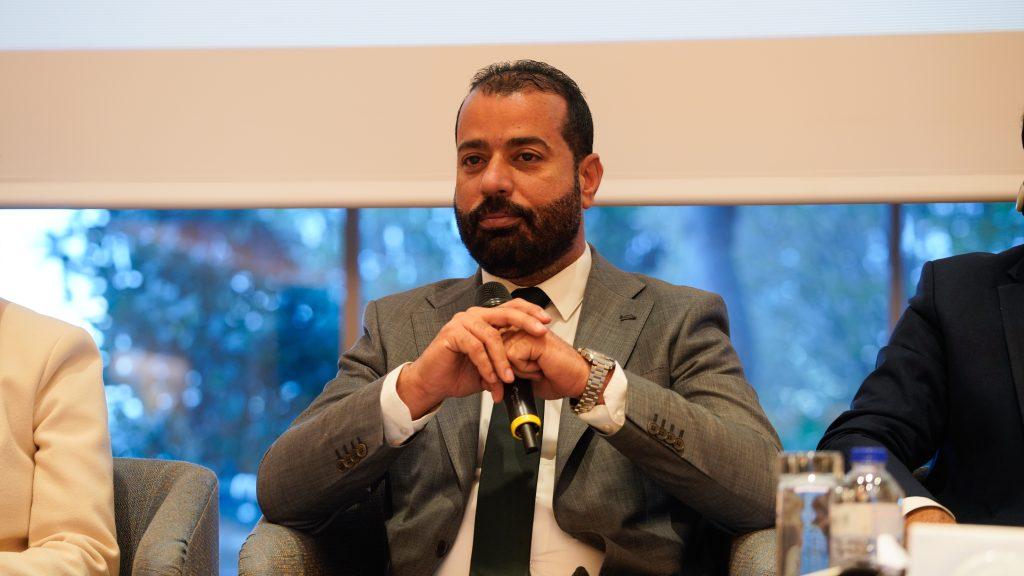
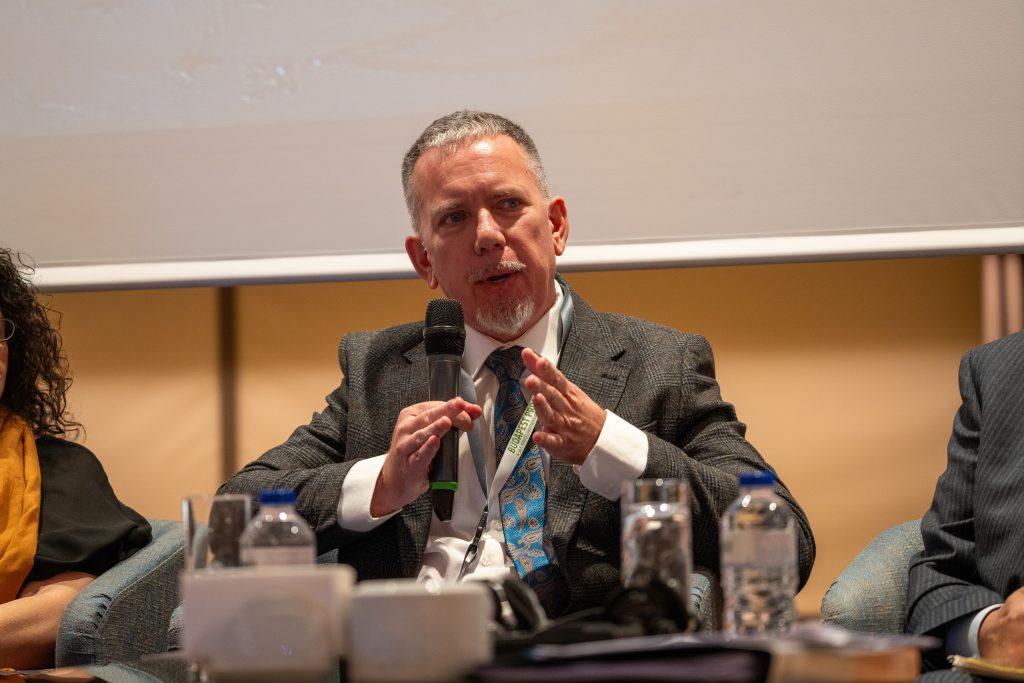
Officials and delegates from 39 Budapest Process countries and 12 organisations met in Istanbul on 26–27 November 2025, hosted by Türkiye as Chair. The 37th Senior Officials Meeting since the dialogue’s launch in 1993 called for prioritising return and reintegration, legal pathways, and stronger law-enforcement cooperation.
Participants highlighted the continued drivers of migration in the Silk Routes Region and the need for operational, coordinated responses. Building on the Call for Action 2025–2030 adopted at last year’s Ministerial Conference in Budapest, states agreed to focus on three core areas, drawing on their national experiences to:
- Foster sustainable, rights-based return and reintegration across the Silk Routes Region through data-driven policies and more inclusive, long-term solutions for returnees;
- Strengthen legal pathways as a framework for safe and regular migration, including more diversified labour mobility opportunities; and
- Promote training in national institutions and advance digitalisation and modernisation through law-enforcement cooperation, to enhance risk analysis and anti-smuggling capacities and better protect vulnerable groups.
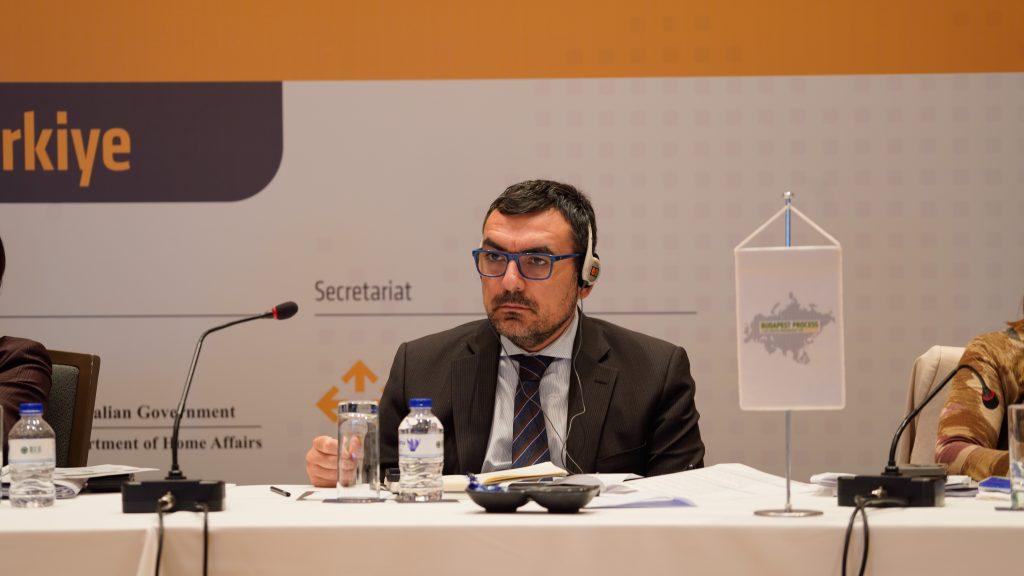
“Our ability to address complex migration challenges relies on our collective willingness to engage, to listen, and to find common ground. We could think of dialogues as the bridges between the theory (how migration should be managed) and the practice (how migration is managed in reality): if we didn’t have space for dialogue that would not stop migration; it only would weaken that bridge between good theory and good practice.” – Nicola Graviano, Deputy Director for Migration Dialogues and Cooperation at ICMPD
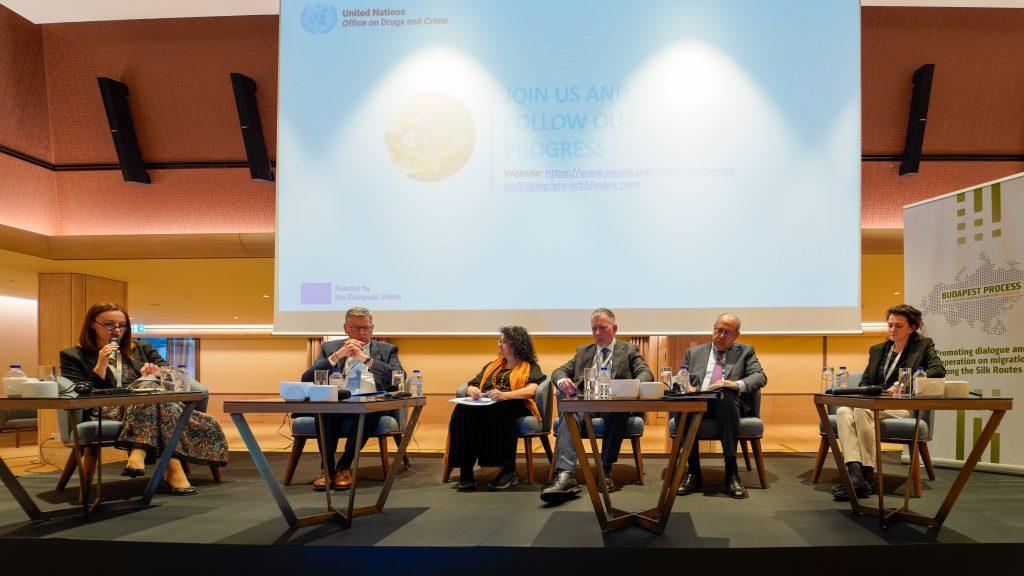
High-level panels and discussions also examined the migration outlook for the region, as well as ongoing projects and cooperation initiatives in Bangladesh, India, Iraq and Pakistan linked to the Call for Action.
“Hosting this landmark gathering has reinforced our belief in the dialogue’s enduring value as bridge for practical cooperation. At the heart of our success are the Thematic Working Groups – vital mechanism that transforms high-level commitments from the Call for Action 2025-2030 into on-the-ground impact, from data-driven reintegration strategies to enhanced law enforcement partnerships,” said Serra Albayrakoğlu, Head of Foreign Relations Department of the Presidency of Migration Management of Türkiye, and as Chair of the Budapest Process.
Last year’s Ministerial Declaration called to more broadly strengthen cooperation in six priority areas: (1) fighting irregular migration, including migrant smuggling and human trafficking; (2) enhancing legal pathways; (3) advancing cooperation on return and reintegration; (4) maximising the positive impact of migration on development; (5) protecting persons in need of international protection; and (6) supporting integration and combating racism and discrimination.
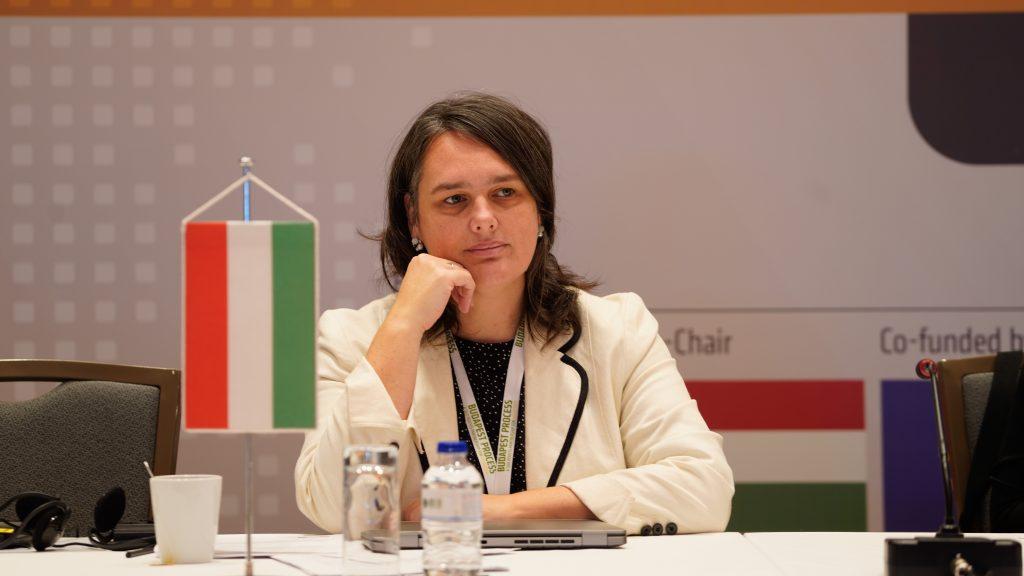
“The migration landscape across the Silk Routes and beyond has continued to evolve. Countries in the region have intensified their efforts to expand legal pathways, strengthen border governance, and improve return and reintegration systems. Against this backdrop, the Budapest Process demonstrates its relevance as a platform for dialogue and practical cooperation. As Co-Chair, we wish to see the priorities of the Budapest Process matched in projects which lead to impact on the ground” said Tímea Lehoczki, Head of Unit at the Department of European Home Affairs Cooperation of Hungary’s Ministry of Interior, and as Co-Chair of the Budapest Process.
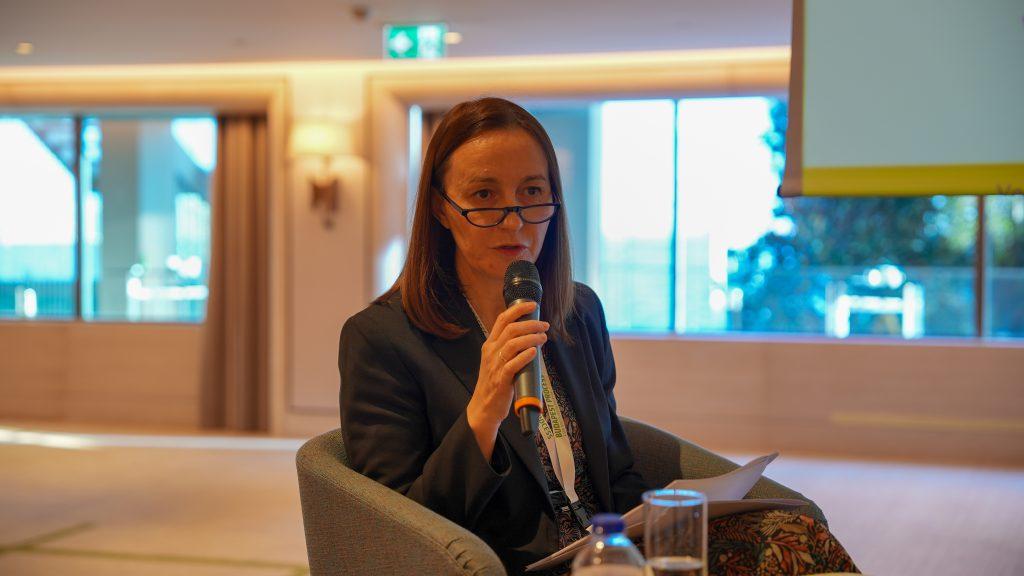
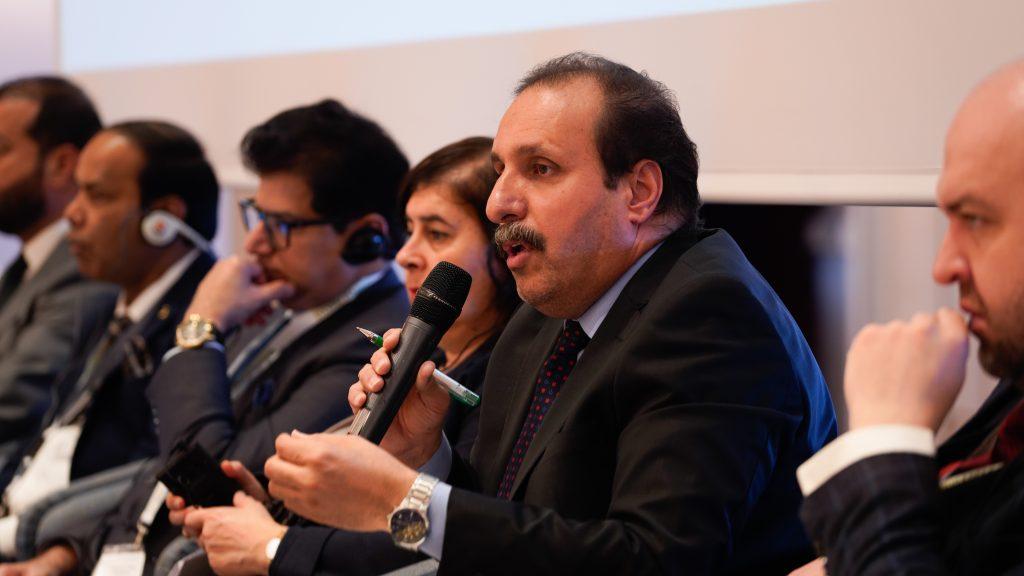
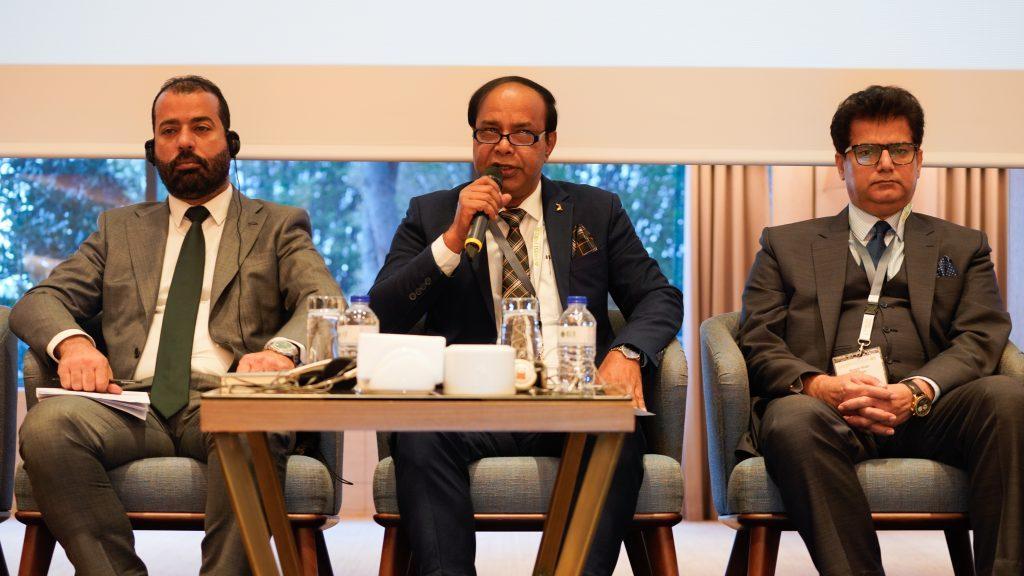
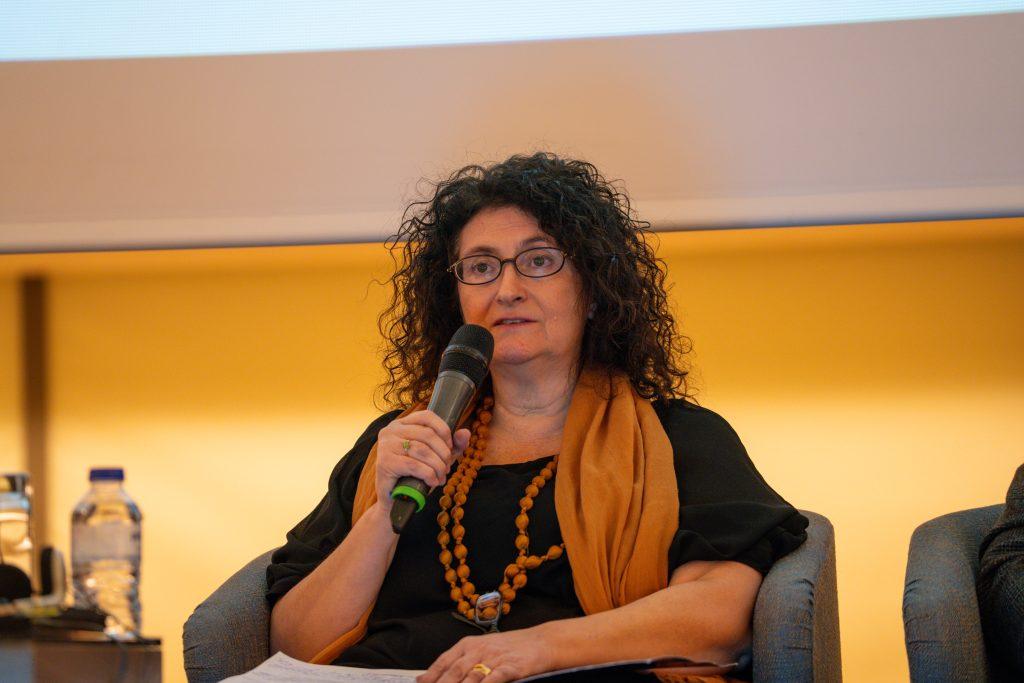
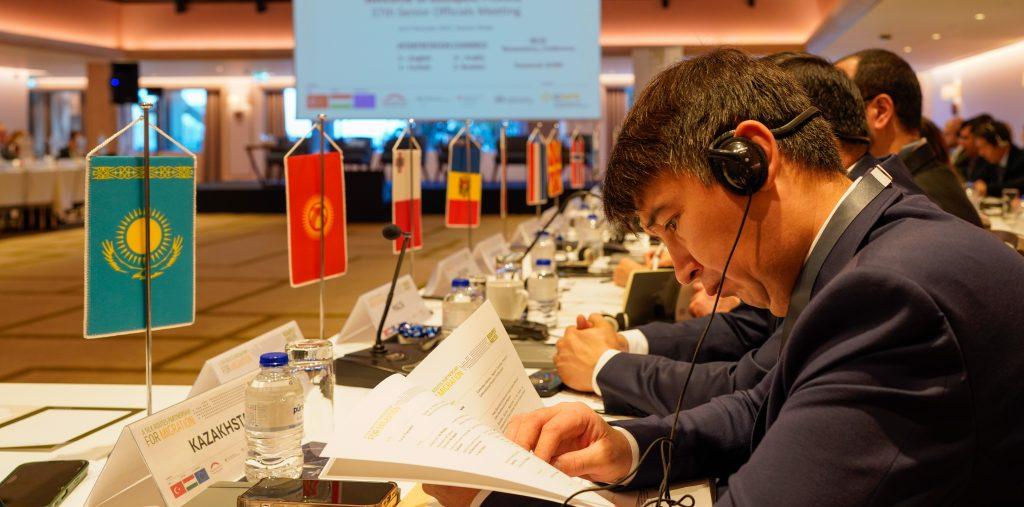
In closing, delegations agreed to step up cooperation through the Thematic Working Groups and to explore new operational initiatives where joint work, supported by the Secretariat, could accelerate progress under the Call for Action 2025–2030.
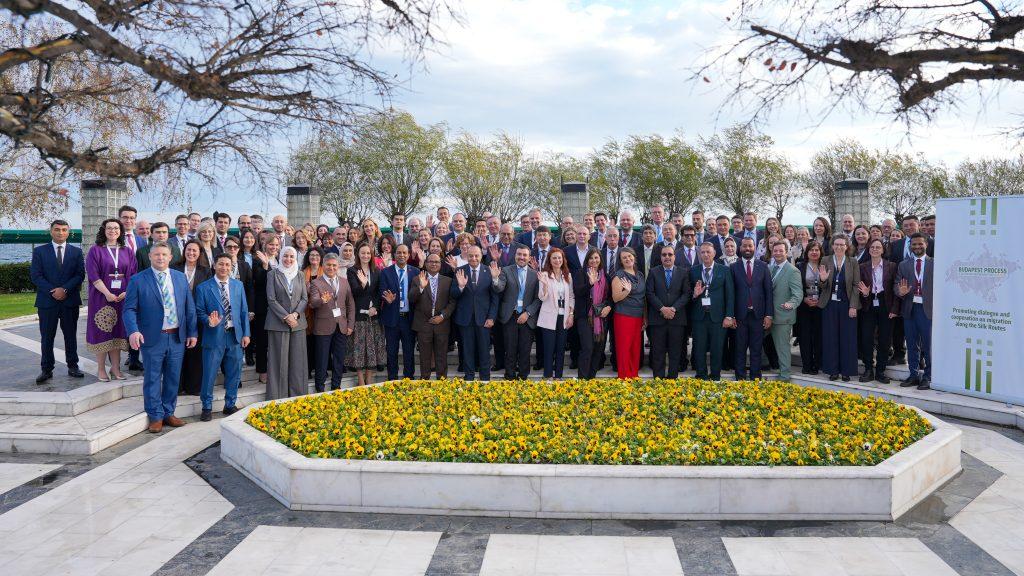
This year’s Senior Officials Meeting was co-chaired by the Presidency of Migration Management of Türkiye and the Ministry of Interior of Hungary, with ICMPD as Secretariat. The dialogue is supported by the European Commission, Australia, Hungary, Norway, Sweden, Switzerland, and Türkiye.