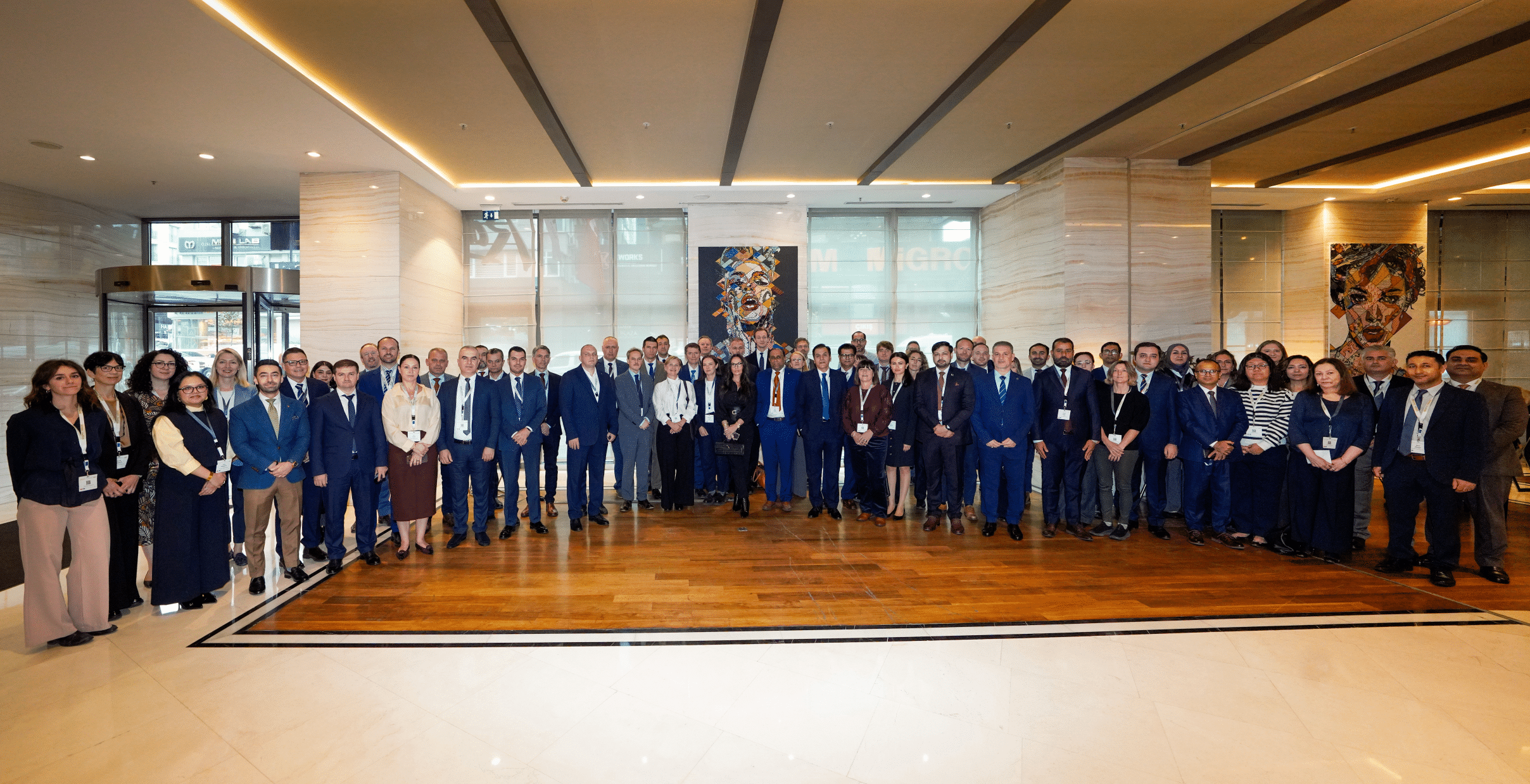
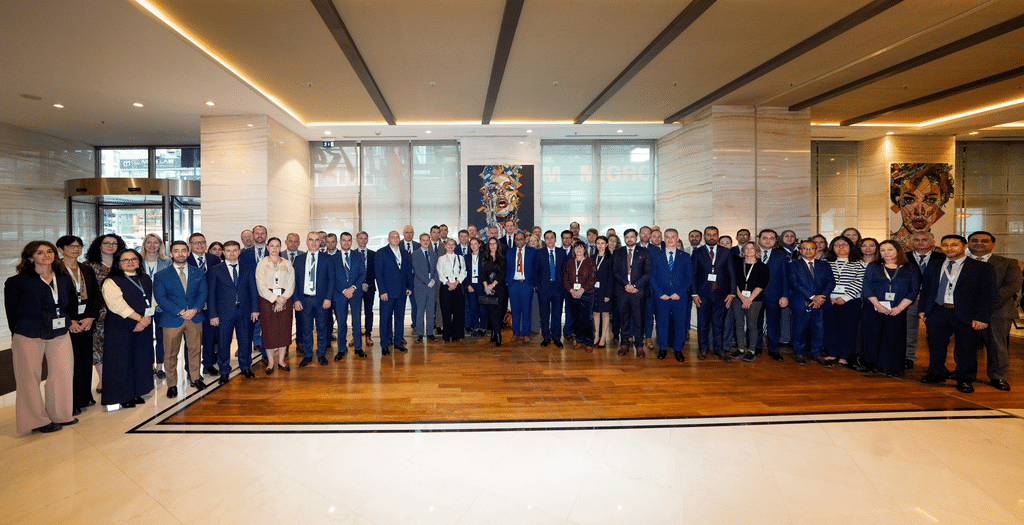
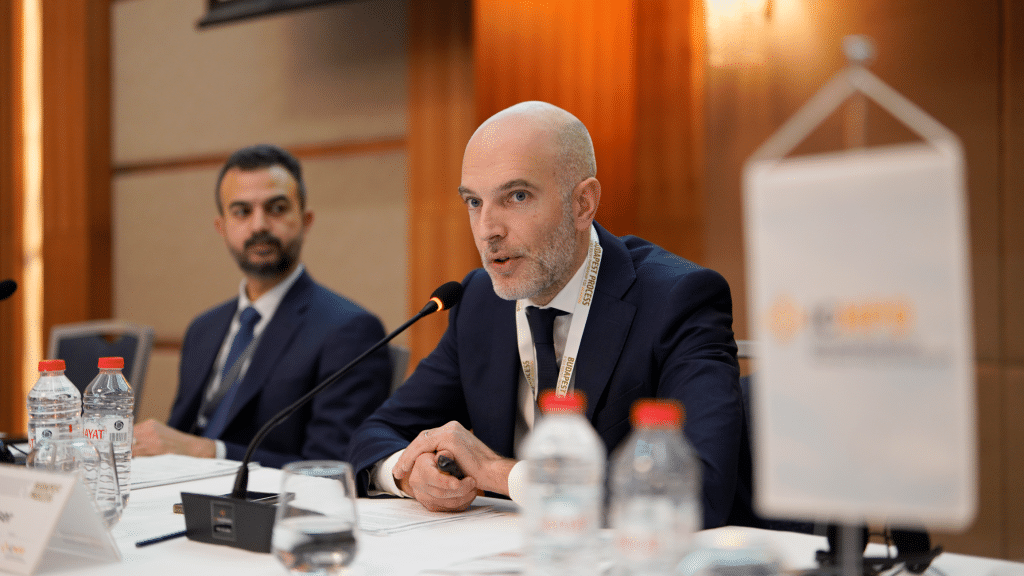
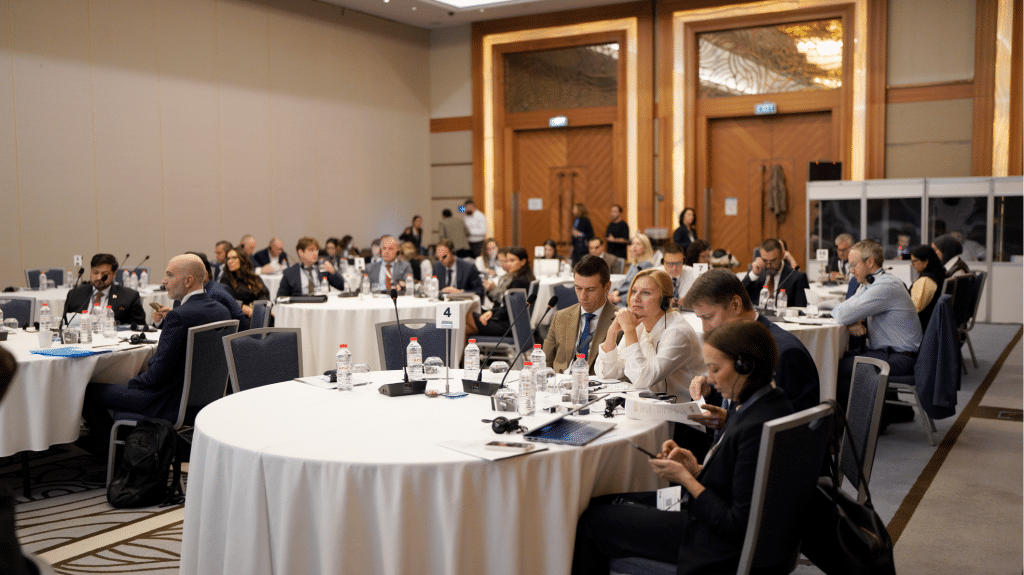
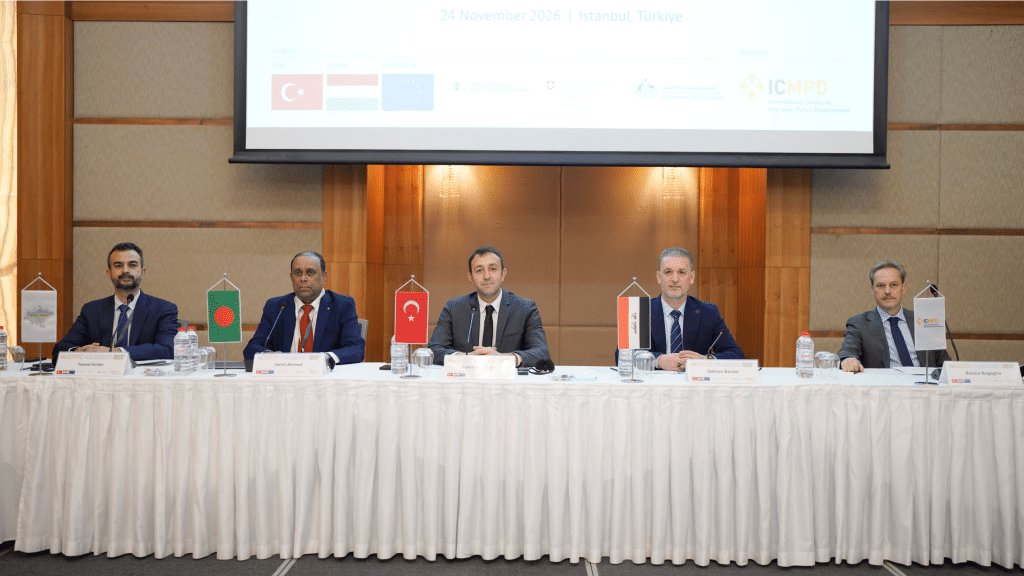
Strengthening national reintegration systems, improving cooperation between countries and making better use of digital technologies were at the centre of the Budapest Process Thematic Working Group Meeting on Return and Reintegration, held on 24 November 2026 in Istanbul, Türkiye. Over 80 representatives of 28 countries and 7 partner organisations reviewed progress, exchanged national experiences and advanced discussions on revising the Budapest Process Roadmap on Return and Reintegration.
Co-chaired by Bangladesh, Iraq and Türkiye, the meeting focused on translating commitments under the 2024 Budapest Process Ministerial Declaration and its Call for Action into practical cooperation that reflects the priorities of countries across the Silk Routes region. The discussions reflected a growing recognition that sustainable reintegration requires more than assistance at the point of return. It depends on the capacity of national institutions to provide coordinated, longer-term support, connect returnees with existing services and opportunities, and cooperate effectively with countries of destination and international partners.
The revision builds on recommendations from the 2025 Thematic Working Group meeting and the subsequent Budapest Process Workshop on Return Migration in Istanbul, alongside consultations with the Co-Chairs and partner countries, including Bangladesh, Iraq and Pakistan.
Participants reviewed progress under the existing Roadmap and examined the priorities and proposed actions for its next phase. Particular attention was given to strengthening national ownership, clarifying institutional responsibilities and ensuring that international cooperation reinforces existing national systems.
One of the meeting’s key areas of discussion was the role of digitalisation in making return and reintegration processes more coordinated, efficient and responsive to individual needs. Participants examined interoperability, compatible systems and appropriate data-sharing arrangements, alongside the legal safeguards, data protection measures and institutional capacities needed to use these tools responsibly.

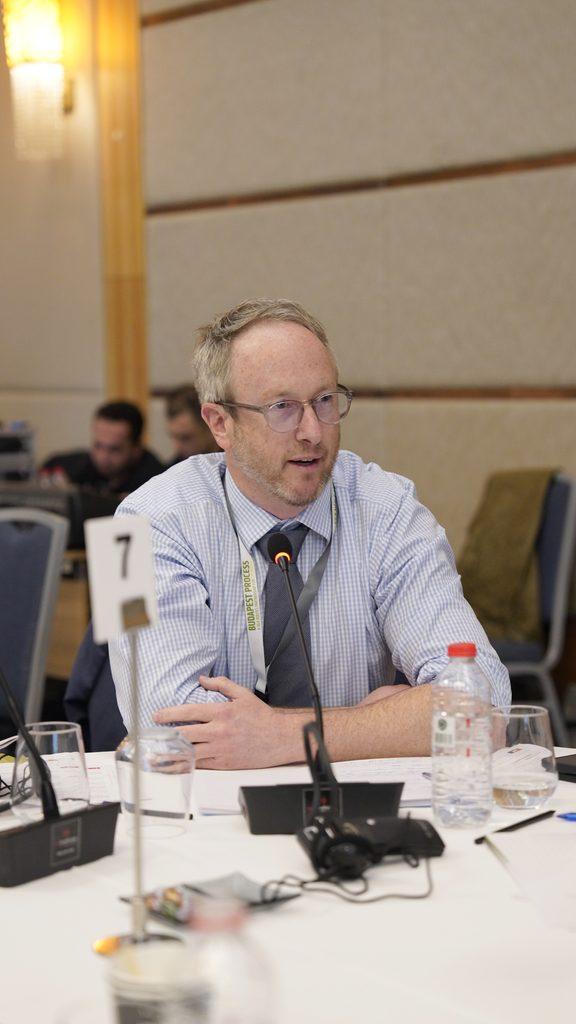
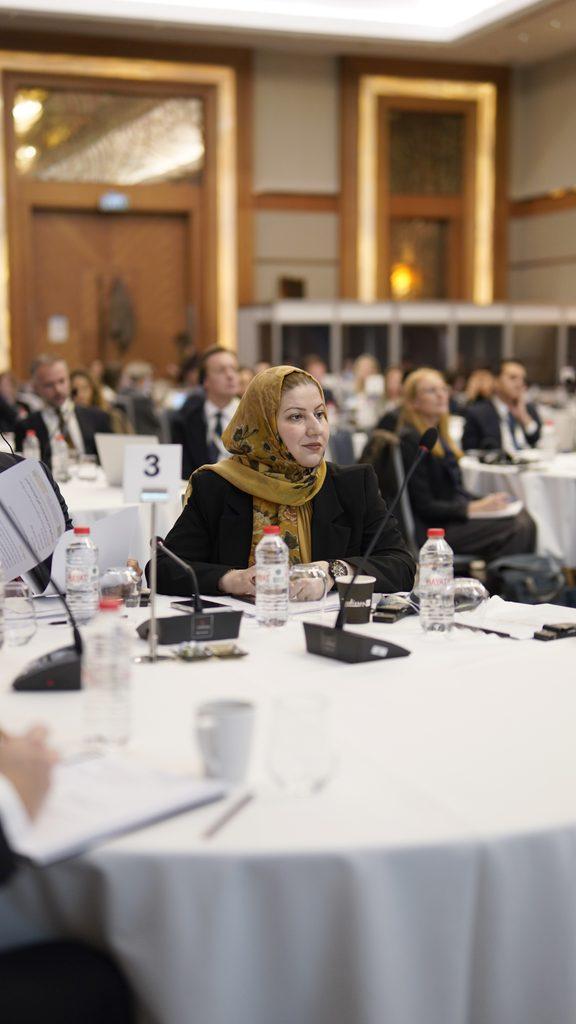
The meeting also considered how improved information management could strengthen cooperation between countries of origin and destination and support more informed decisions about reintegration programmes. Discussions explored the value of longer-term monitoring, evaluation and research, including returnees’ own perspectives, to understand outcomes and identify gaps in support. These issues echo the Budapest Process knowledge product on reintegration realities, which examines the wider social, economic and institutional conditions shaping reintegration.
Recommendations from the thematic discussions will inform further work on the revised Roadmap, with attention to national coordination, operational partnerships, referral and case management, digitalisation, information exchange and evidence-based policymaking. The proposed process envisages additional consultations and review before the document is endorsed by the Budapest Process countries.

The meeting contributed to Priority Goal 3 of the Budapest Process Call for Action 2025–2030, which calls for stronger cooperation on return, readmission and sustainable reintegration. The next phase will focus on shaping a Roadmap that provides a practical basis for cooperation, connecting national priorities with institutional capacities, operational partnerships and measurable progress towards sustainable reintegration.


